
Why FSMA Compliance Matters for Your Business

Food safety is not just a regulatory box to check. It’s a critical foundation for any business involved in the food supply chain. Whether you manufacture, retail, or serve food, understanding and implementing FSMA compliance requirements can make or break your operation. I’ve seen firsthand how these standards protect brands, customers, and bottom lines. Let’s dive into why FSMA compliance is essential and how you can leverage it to boost your business.
Understanding FSMA Compliance Requirements
The Food Safety Modernization Act (FSMA) is a game-changer in food safety regulation. It shifts the focus from reacting to contamination to preventing it. This law sets clear, science-based standards for food producers and handlers. But what exactly are the requirements?
Preventive Controls: Businesses must identify potential hazards and implement controls to prevent them.
Risk-Based Inspections: The FDA prioritizes inspections based on risk, meaning higher-risk facilities get more attention.
Supply Chain Controls: You must ensure your suppliers also meet safety standards.
Record-Keeping: Detailed documentation is mandatory to prove compliance.
Corrective Actions: Procedures must be in place to address any safety issues immediately.
Meeting these requirements isn’t optional. It’s a legal obligation that protects your customers and your reputation. Plus, it streamlines operations by reducing recalls and foodborne illness outbreaks.

Caption: A detailed food safety checklist helps ensure all FSMA compliance requirements are met.
What is FSMA Compliant?
Being FSMA compliant means your business adheres to all the standards set by the Food Safety Modernization Act. It’s not just about paperwork; it’s about embedding food safety into every step of your process. Here’s what compliance looks like in practice:
Hazard Analysis: You conduct a thorough assessment of biological, chemical, and physical hazards.
Preventive Controls Plan: You develop and implement a written plan tailored to your specific risks.
Monitoring Procedures: Regular checks ensure controls are working effectively.
Verification and Validation: You confirm that your preventive measures are scientifically sound and properly executed.
Training: Your staff is educated on food safety principles and their role in compliance.
Corrective Actions: When something goes wrong, you act swiftly to fix it and prevent recurrence.
FSMA compliance is a continuous process, not a one-time event. It requires commitment and vigilance but pays off by safeguarding your business and customers.

Caption: Regular food safety training ensures staff understand and maintain FSMA compliance.
Why FSMA Compliance is a Business Imperative
You might wonder, “Why invest so much effort into FSMA compliance?” The answer is simple: it protects your business from costly risks and opens doors to new opportunities.
Risk Reduction: Foodborne illnesses can lead to lawsuits, recalls, and brand damage. Compliance minimizes these risks.
Market Access: Many retailers and distributors require proof of FSMA compliance before partnering.
Consumer Trust: Customers expect safe food. Compliance builds confidence and loyalty.
Operational Efficiency: A structured safety program reduces waste, errors, and downtime.
Regulatory Readiness: Being prepared for FDA inspections avoids fines and shutdowns.
Ignoring FSMA compliance is a gamble no business should take. Instead, embrace it as a strategic advantage.

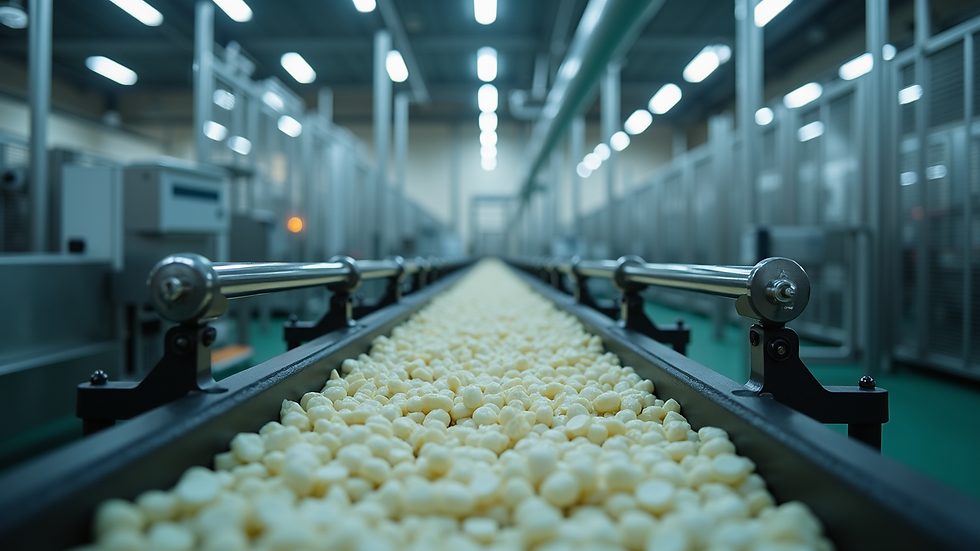
Caption: Implementing safety protocols in food manufacturing ensures ongoing FSMA compliance.
How to Achieve and Maintain FSMA Compliance
Achieving FSMA compliance might seem daunting, but breaking it down into manageable steps makes it achievable.
Conduct a Hazard Analysis
Identify all potential hazards in your process. Use scientific data and past records to guide your analysis.
Develop a Preventive Controls Plan
Create a detailed plan addressing each hazard with specific controls.
Train Your Team
Ensure everyone understands their role in food safety. Regular training updates are essential.
Implement Monitoring Procedures
Set up routine checks to verify controls are effective.
Keep Detailed Records
Document everything from hazard analysis to corrective actions. This is your proof of compliance.
Review and Update Plans Regularly
Food safety is dynamic. Update your plans as new risks emerge or processes change.
Engage Experts When Needed
Don’t hesitate to seek help from food safety consultants or resources like FoodSafetyResource Group.
By following these steps, you build a robust food safety system that meets FSMA standards and protects your business.
The Future of Food Safety and Your Business
Food safety regulations will continue to evolve. Staying ahead means adopting a proactive mindset. FSMA compliance is not just about meeting today’s rules but preparing for tomorrow’s challenges.
Technology Integration: Use digital tools for monitoring and record-keeping.
Continuous Improvement: Regular audits and feedback loops enhance safety.
Collaboration: Work closely with suppliers and partners to ensure the entire supply chain is safe.
Sustainability: Align food safety with environmental and social responsibility goals.
Are you ready to lead your industry in food safety? Embracing FSMA compliance is your first step toward operational excellence and long-term success.
FSMA compliance is more than a legal requirement. It’s a strategic investment in your business’s future. By understanding the requirements, implementing effective controls, and committing to continuous improvement, you protect your customers and your brand. Don’t wait for a crisis to act. Start today and turn food safety into your competitive edge.


Comments